Psychology and Research
Research
National History Day – Connecting Psychology and History
Unmasking Racial Bias: The Pitfalls of Culture-Equal Testing and the Rise of Culture-Specific Testing in Black Psychology
The first time I came across Robert Lee Williams II and his BITCH-100 test was during my sophomore year of high school while researching prominent Black figures in psychology for a presentation during Black Excellence Month. As president of AHS Psychology Club, I wanted to highlight impactful contributions to the field. I found Williams’ research inventive and groundbreaking for Black Psychology, which piqued my curiosity. As I delved into the subject, I became acutely aware of racial bias in intelligence testing – something I had never previously suspected or considered. When I learned of this year’s History Day theme, Rights and Responsibilities, I was inspired to combine two of my greatest passions: psychology and social justice. I felt a strong need to spread awareness about a topic that is often overlooked. People of all cultures and races have the right to be assessed fairly on IQ and aptitude tests, and it is the responsibility of psychologists to address and correct biases in these assessments.
I began my research by watching interviews with Robert Lee Willaims II, where he discussed his experiences as a Black psychologist and his life’s work. I also took detailed notes on Williams’ BITCH-100 research study and on an Ebonics hearing in Washington, D.C., at which he spoke – both served as strong primary sources on culture-specific testing. As I examined culture-equal tests, like the Stanford-Binet, I was shocked by the history of racism in intelligence testing. This realization led me to compare culture-specific and culture-equal testing in hopes of increasing visibility around culture-specific tests – an option I believe is rarely explored today, despite the continued dominance of IQ tests. I found several studies verifying the longstanding presence of racial bias in intelligence testing, even in revised versions, and explored the ways in which this bias manifests.
From there, I formed my historical argument: culture-equal tests are constructed on the basis of white superiority and continue to exemplify inconclusive evidence in attempts to correct racial bias as well as the habit of psychologists to exclude Black people from their studies. In response, culture-specific testing has advocated for the intelligence in Black children, debunking notions of racial inferiority. This is a significant part of U.S. history because racial bias in testing is still around today. It is our duty to spread awareness about this issue. Before my research, I was unaware of the extent of bias in intelligence testing, and I am certain many others share that experience. By increasing awareness, we can incentivize permanent change – perhaps even moving away from culture-equal tests altogether and expanding culture-specific alternatives

Psychology Club and School Leadership
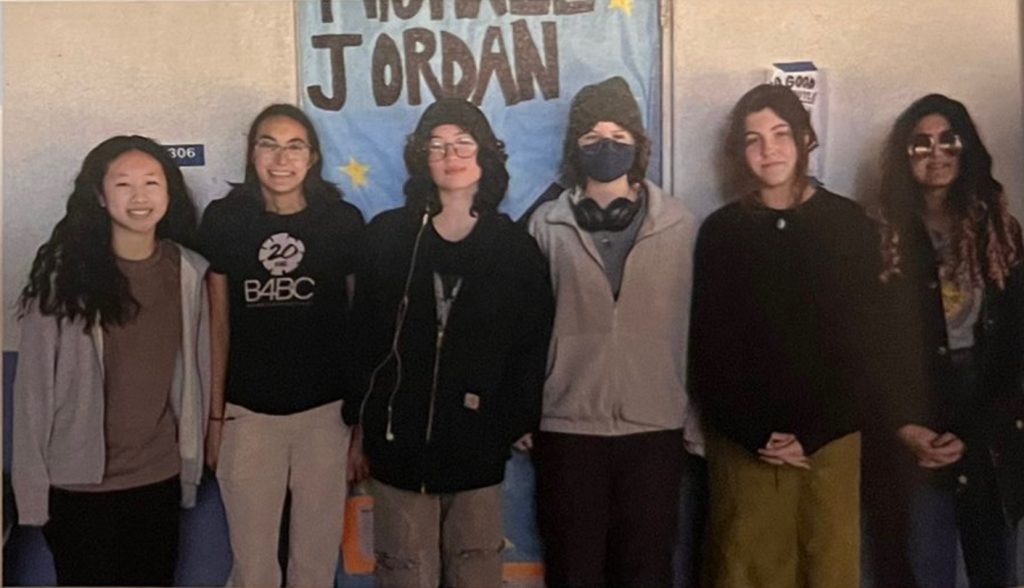
I started the Psychology Club because I wanted a place where people could talk openly about mental health awareness and express their interest in cognitive processes. Freshman year, it started with just six of us, but I built a curriculum covering over 30 topics from classical conditioning and scientific thinking to clinical psychology and psycholinguistics. Over time, the club grew to more than 20 regular members and became part of bigger campus events, like Suicide Prevention Awareness Week and the school’s first Wellness Fair.
Supporting mental health has always been at the heart of the club. Every few weeks, we hold Wellness Meetings where people can relax with crafts, art, or karaoke, my personal favorite outlet. Representation matters to me, so during Hispanic Heritage Month, I led a presentation on latino pioneers in mental health to highlight voices often overlooked. Outside of meetings, I helped organize bake sales that raised over $200 for UC Berkeley psychology research. More than anything, I aim to build a space where everyone feels like they belong and can bring their whole selves.
College Course Work
Taking Introduction to Psychology at UC Santa Cruz gave me tools like active recall and spaced repetition that I applied to theater directing. Balancing my interest in psychology with my passion for theater opened new ways to understand how people behave and create.
Directing and stage managing taught me to use psychology in real time, helping actors find emotional depth, build motivation, and stay focused. Exploring where psychology and theater overlap has made me want to learn about therapy through performance and how art can actually help people heal and grow confidence.


Volunteering
Volunteering has been an important part of expanding my passion. Since eighth grade, I’ve volunteered with SimplyNeuroscience, developing educational resources on brain anatomy and neuroimaging to share psychology in an accessible way.