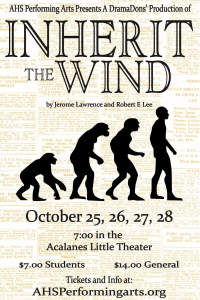
Inherit the Wind

📖 About the Play

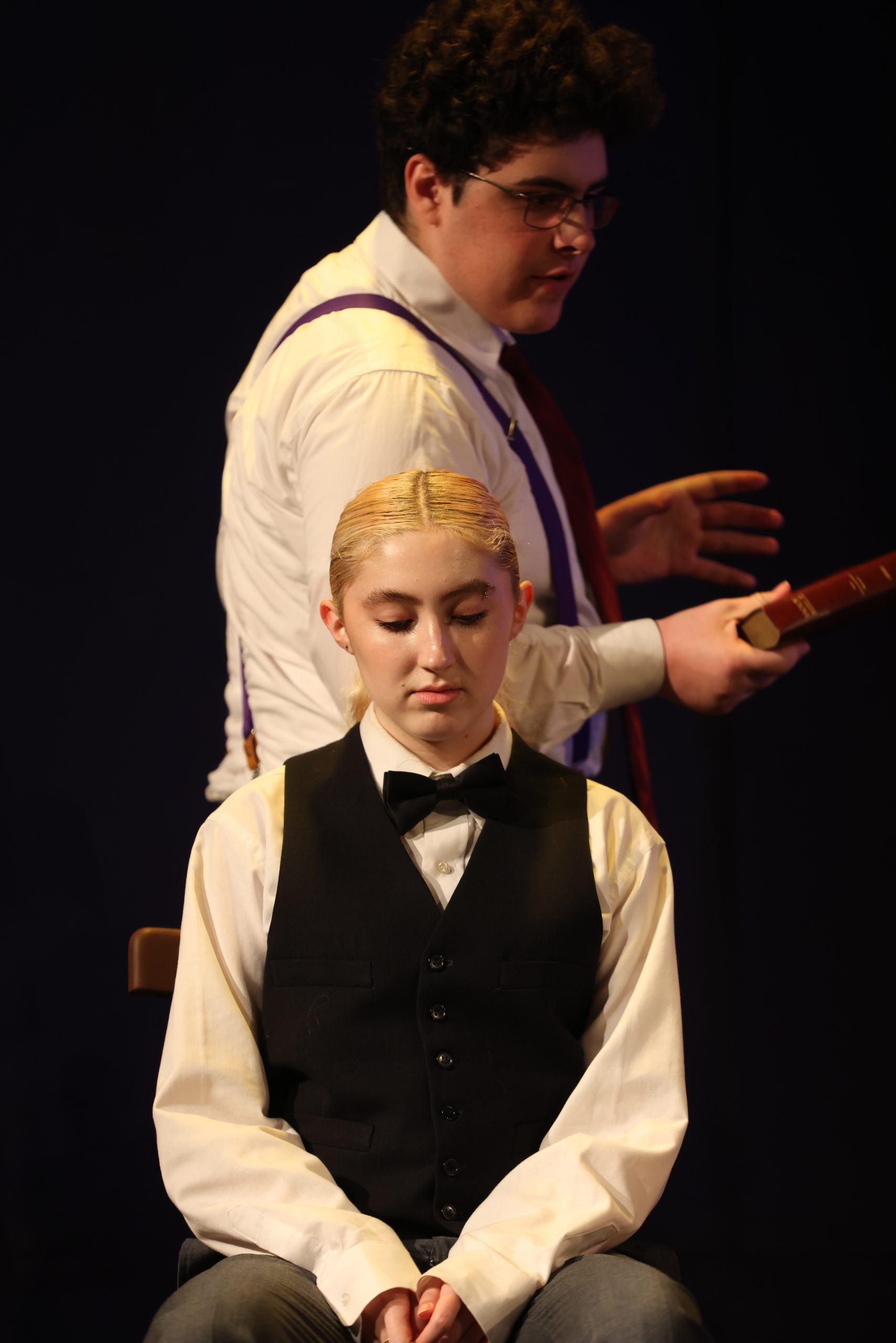
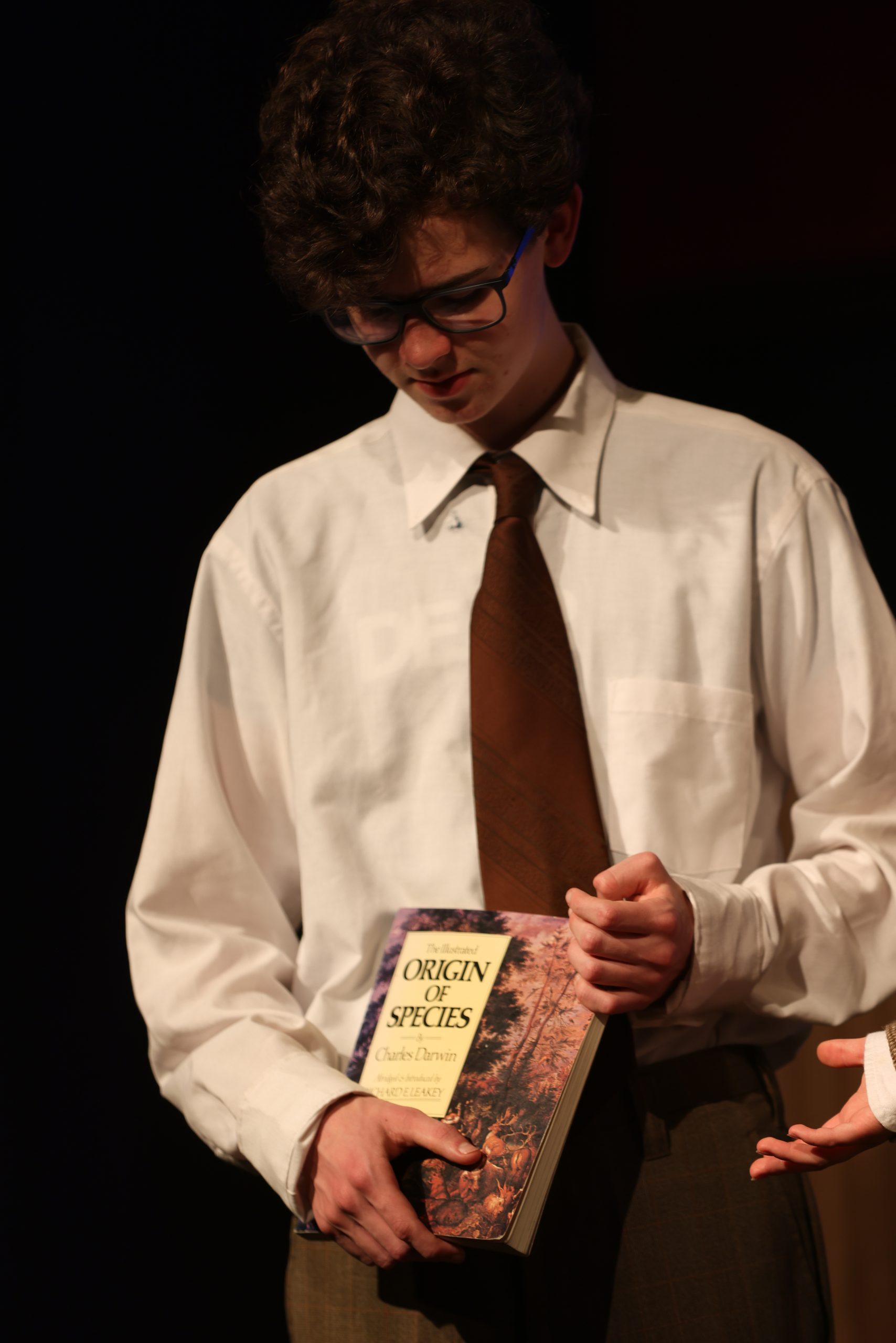
Written by Jerome Lawrence and Robert E. Lee, Inherit the Wind is a courtroom drama inspired by the 1925 Scopes “Monkey” Trial, in which a high school teacher was prosecuted for teaching evolution. While rooted in history, the play is a powerful allegory for the ongoing conflict between progress and tradition, free thought and censorship. At its core, Inherit the Wind challenges audiences to reflect on the value of intellectual freedom and the danger of dogma. It asks timeless questions about the role of education, belief, and individual conscience—making it especially resonant in today’s cultural and political climate.
🎭 Inherit the Wind – Student Director

🎬 My Role

As the Student Director of Inherit the Wind, I played an integral role in bringing this timely courtroom drama to life. My responsibilities included:

  • Overseeing rehearsals and maintaining rehearsal schedules
  • Assisting with blocking and refining movement onstage
  • Working one-on-one with actors on character development and emotional beats
  • Calling cues for set changes and transitions during live performances

Directing this show gave me my first in-depth look at the production side of theatre, laying the groundwork for my growth as a director and strengthening my appreciation for storytelling as a collaborative art.

✍️ Director’s Note

📰 Press & Audience Reactions

“I thought the themes of Inherit the Wind were very poignant, and incredibly relevant to today’s society, especially considering all of the recent news headlines surrounding book bannings. I think the message about critical thinking and the necessity of resisting unjust systems will resonate with any student, teacher, or individual.”
Jules Kinion, Acalanes junior (Blueprint)

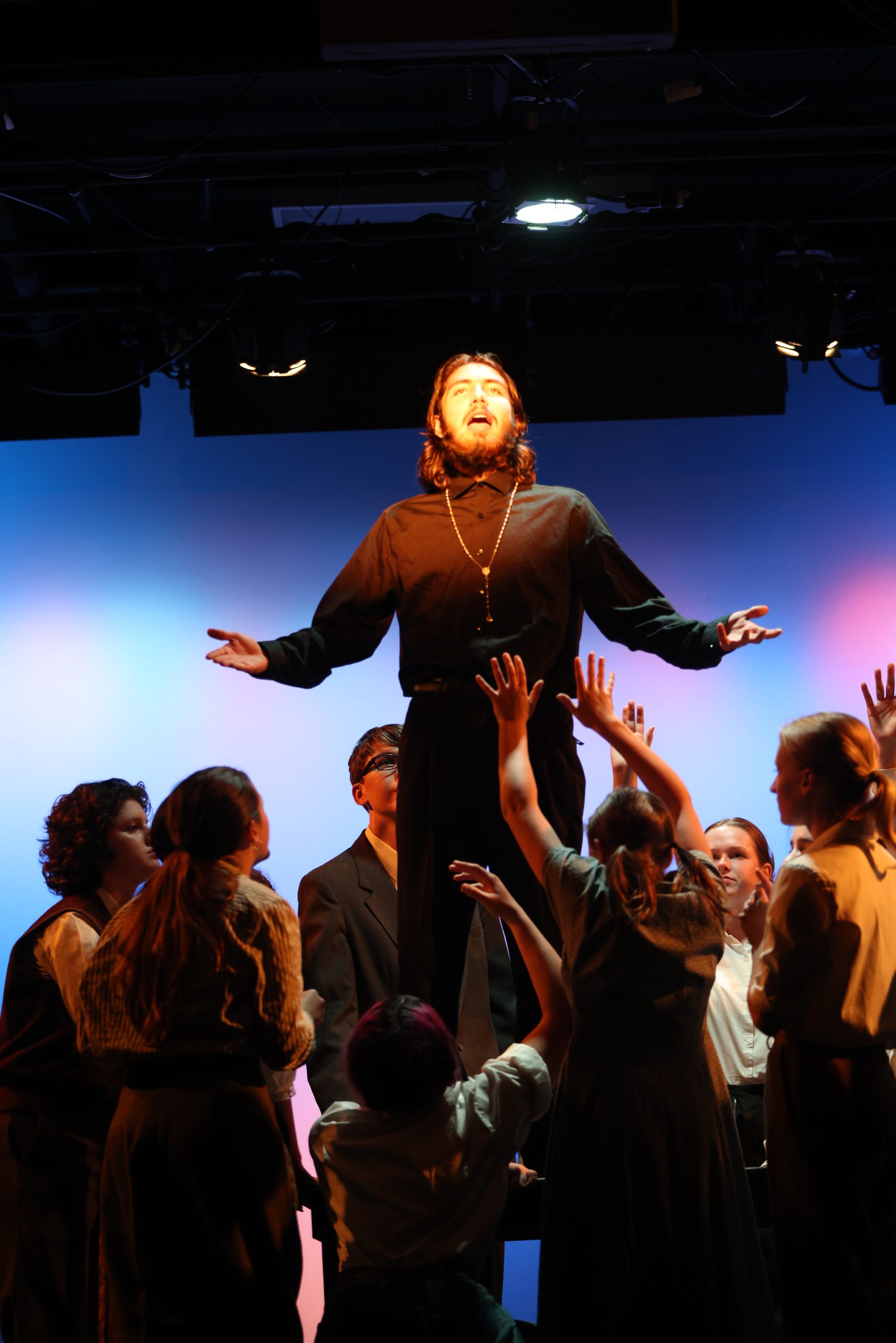
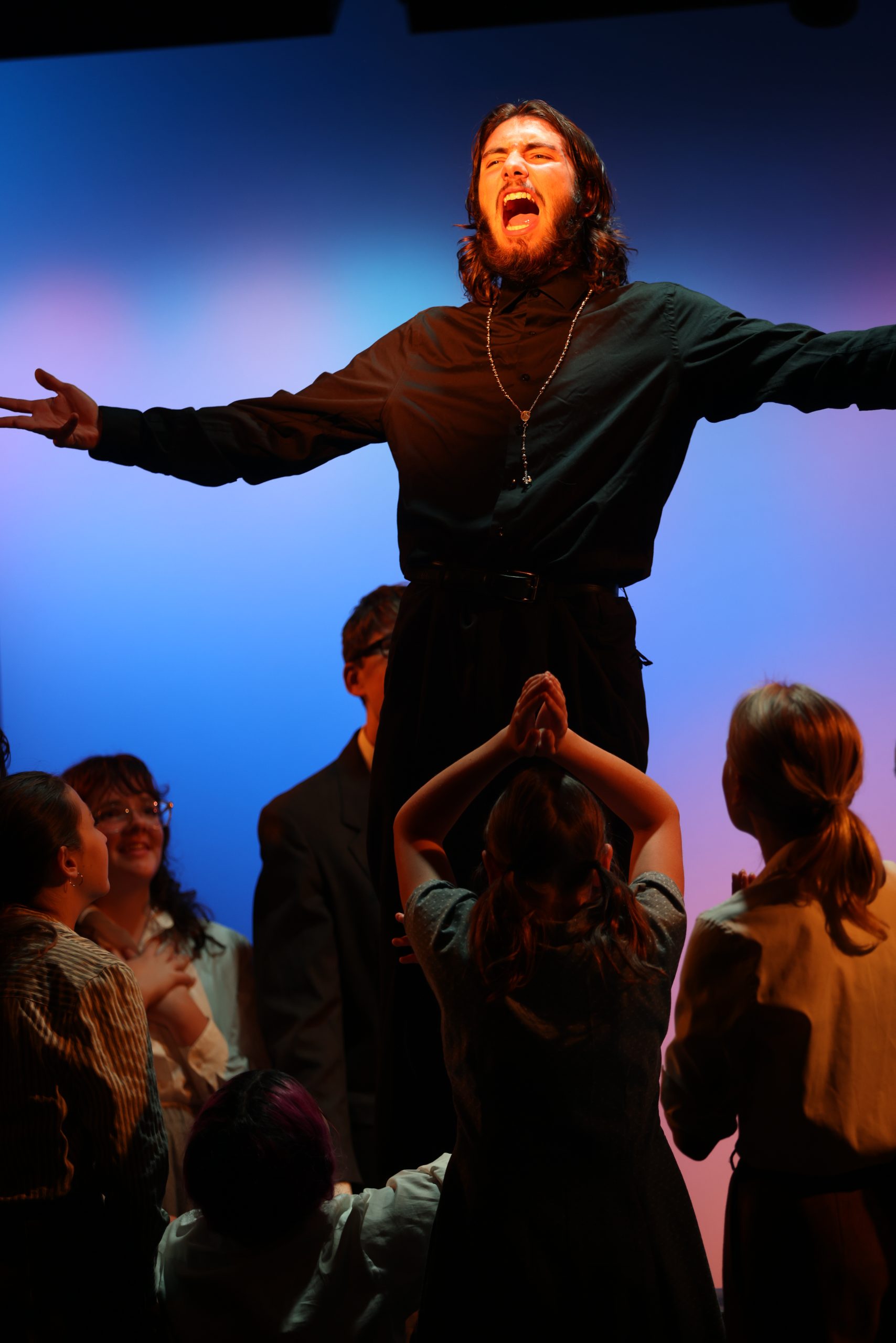
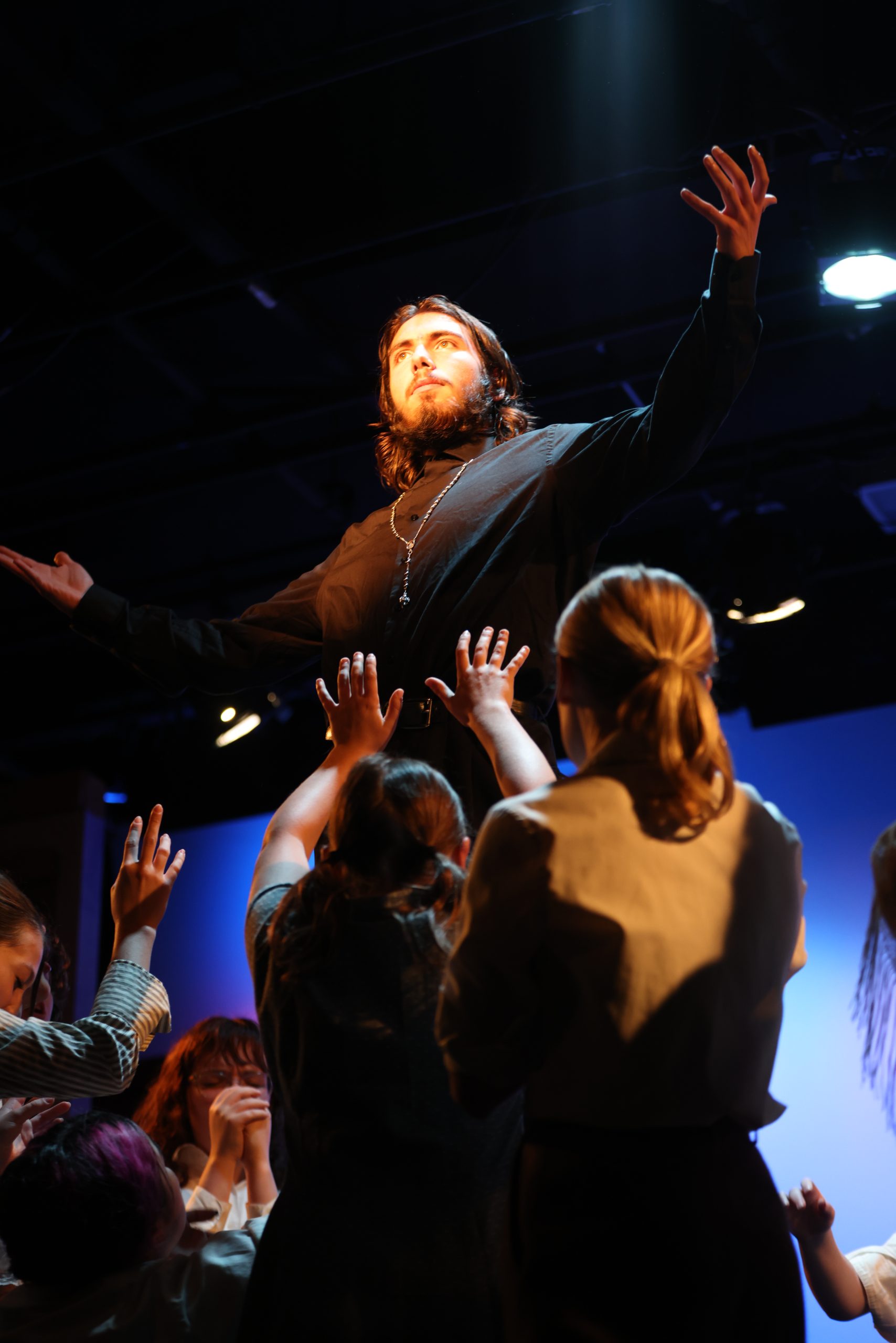
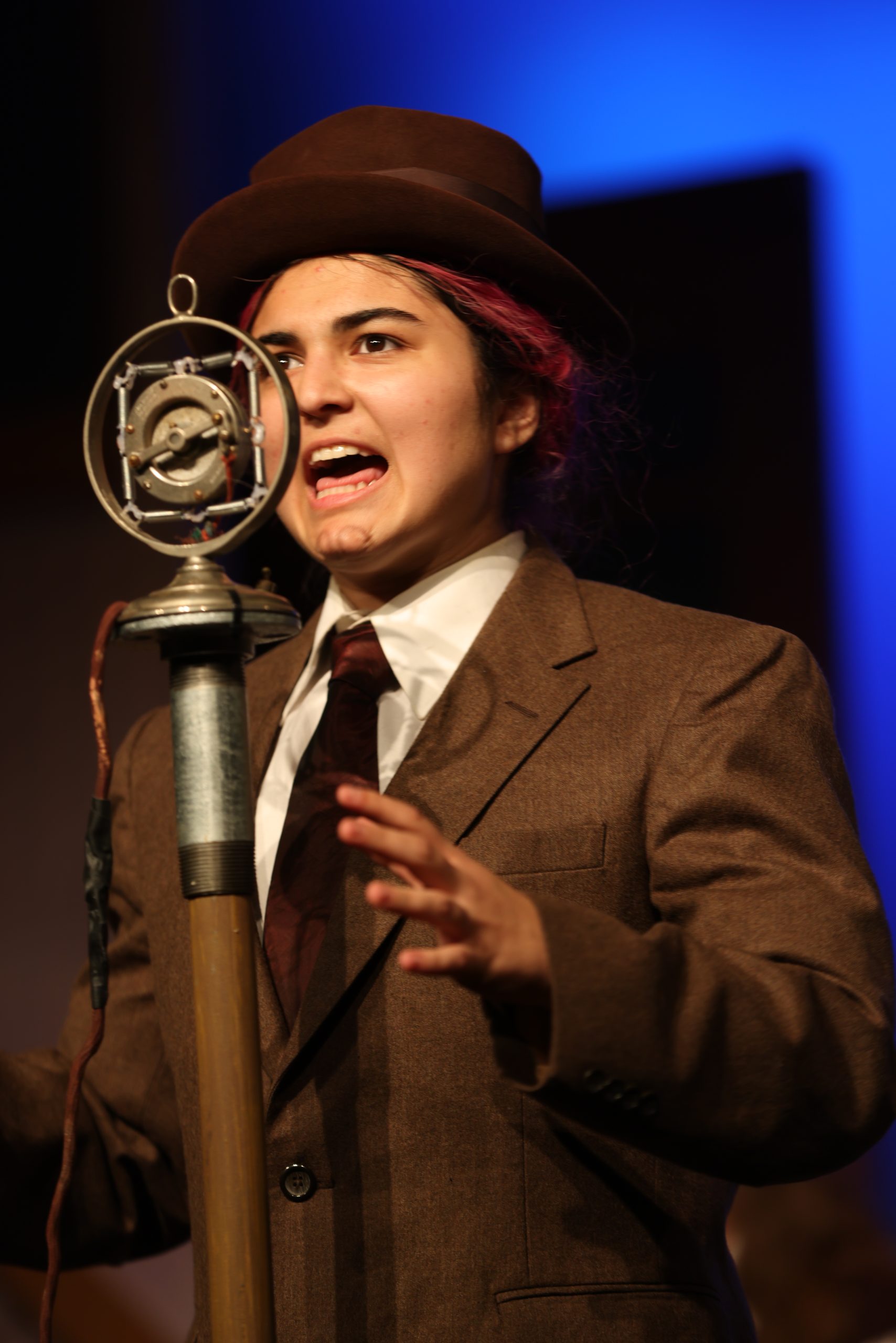
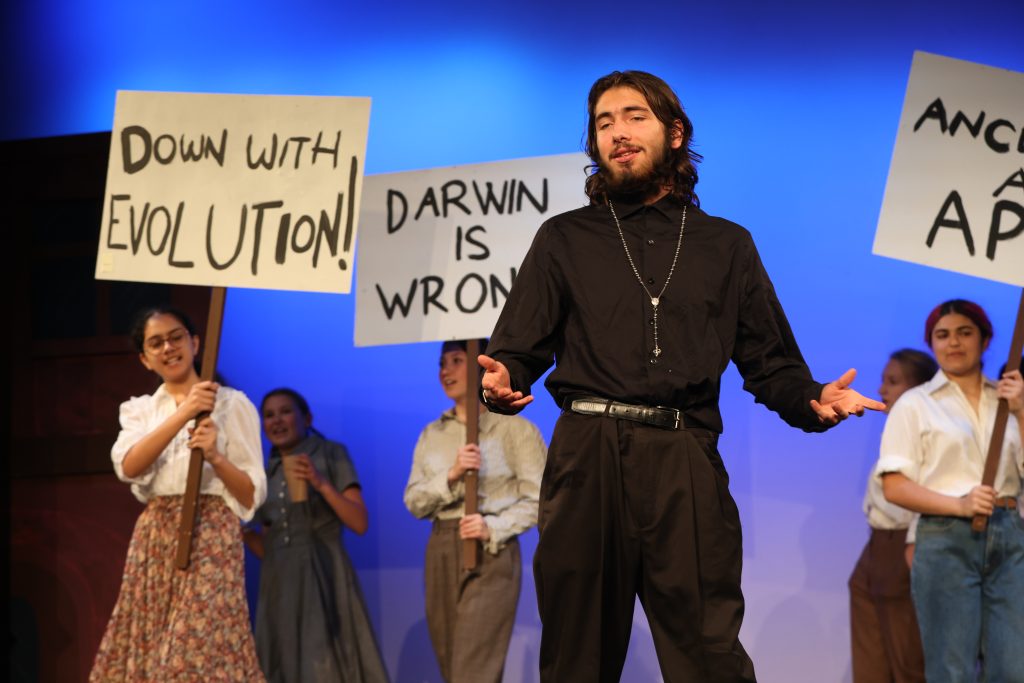
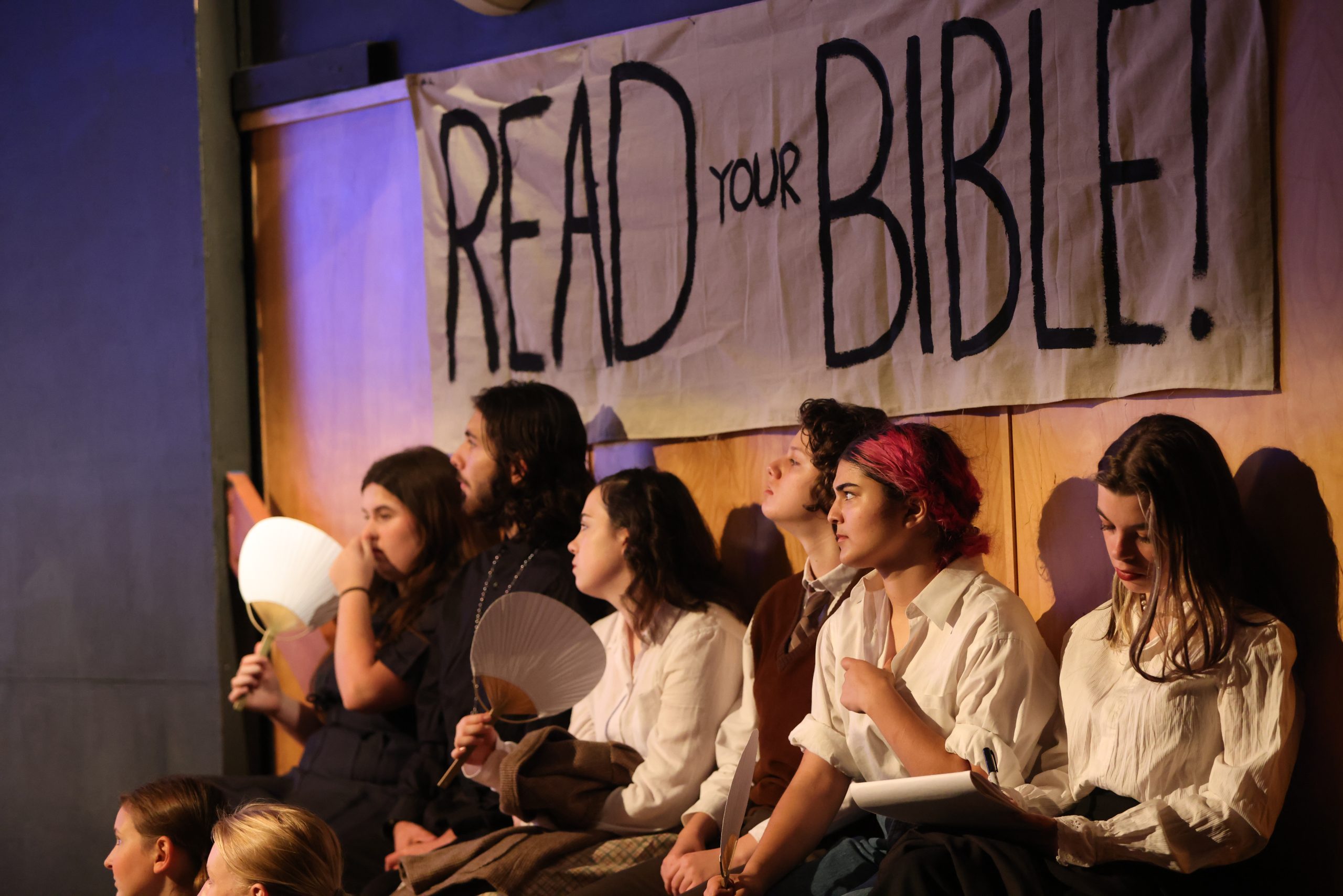
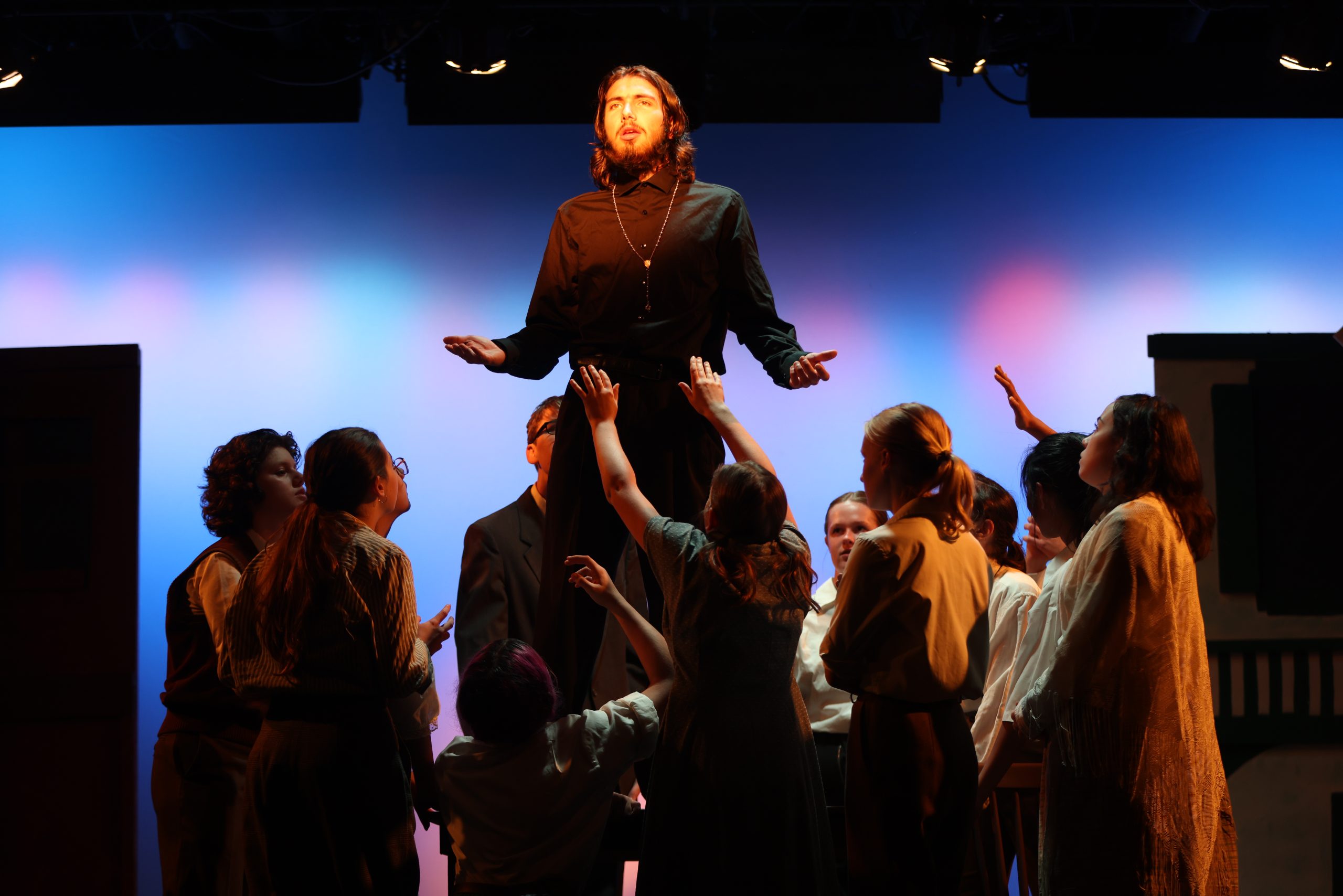
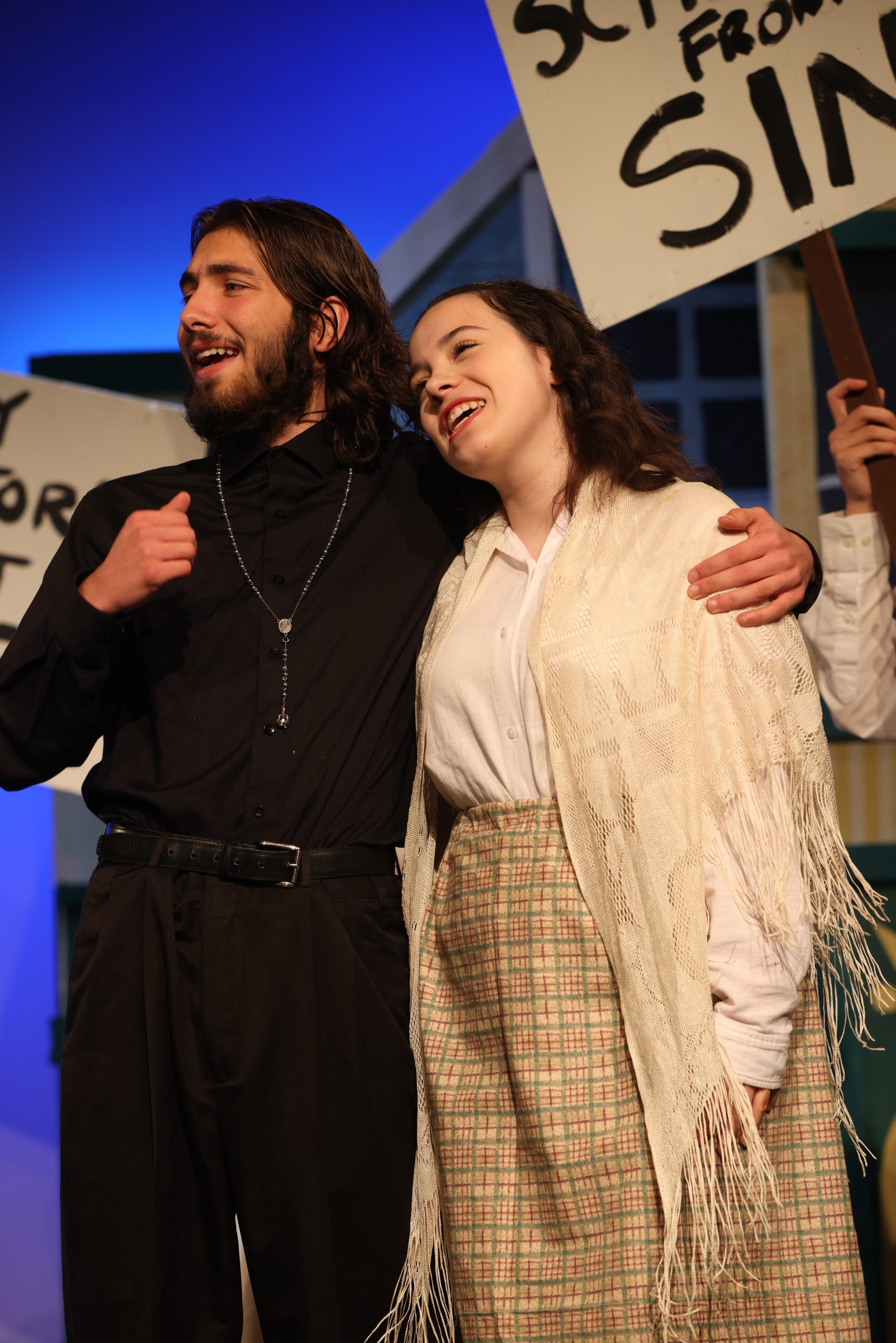
“My favorite scene from the show was when Cody was giving a sermon to the townspeople. I thought that Cody gave an incredible performance, and the energy from the other actors was amazing.”
Jules Kinion, audience member

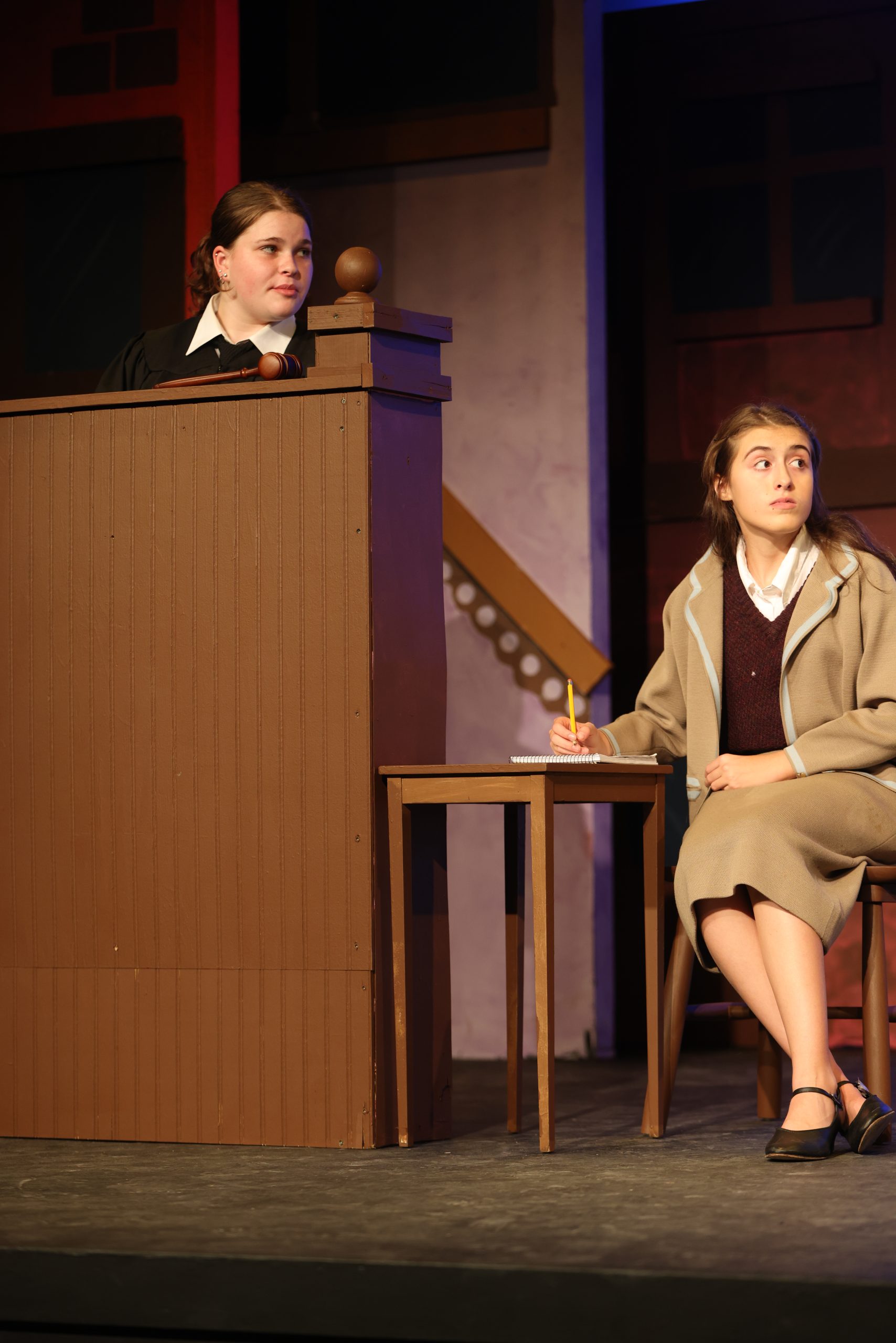
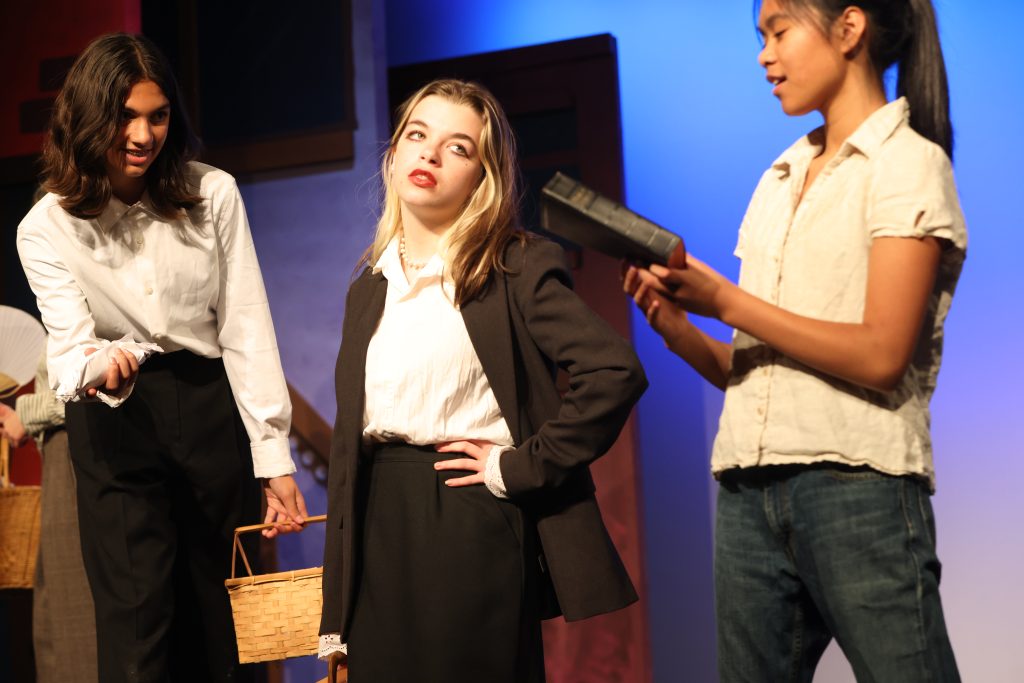
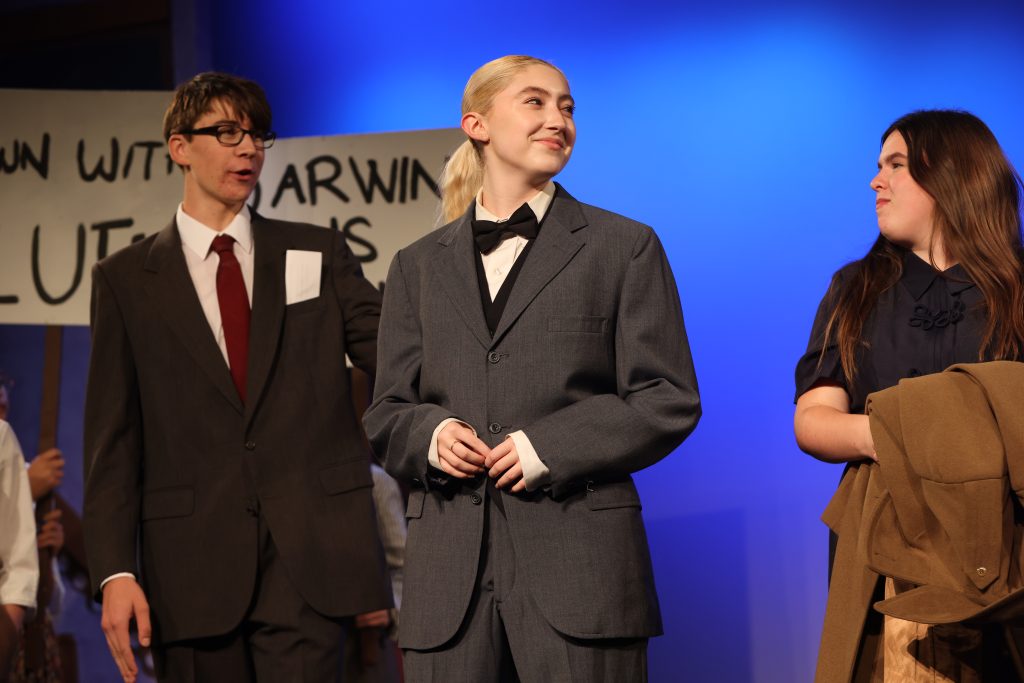
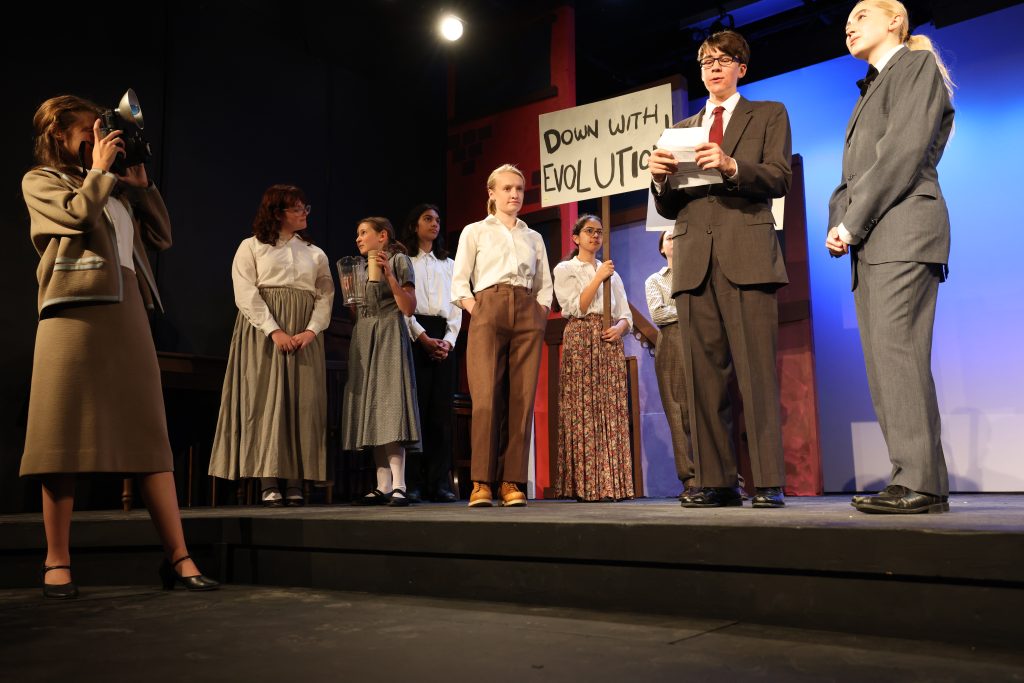
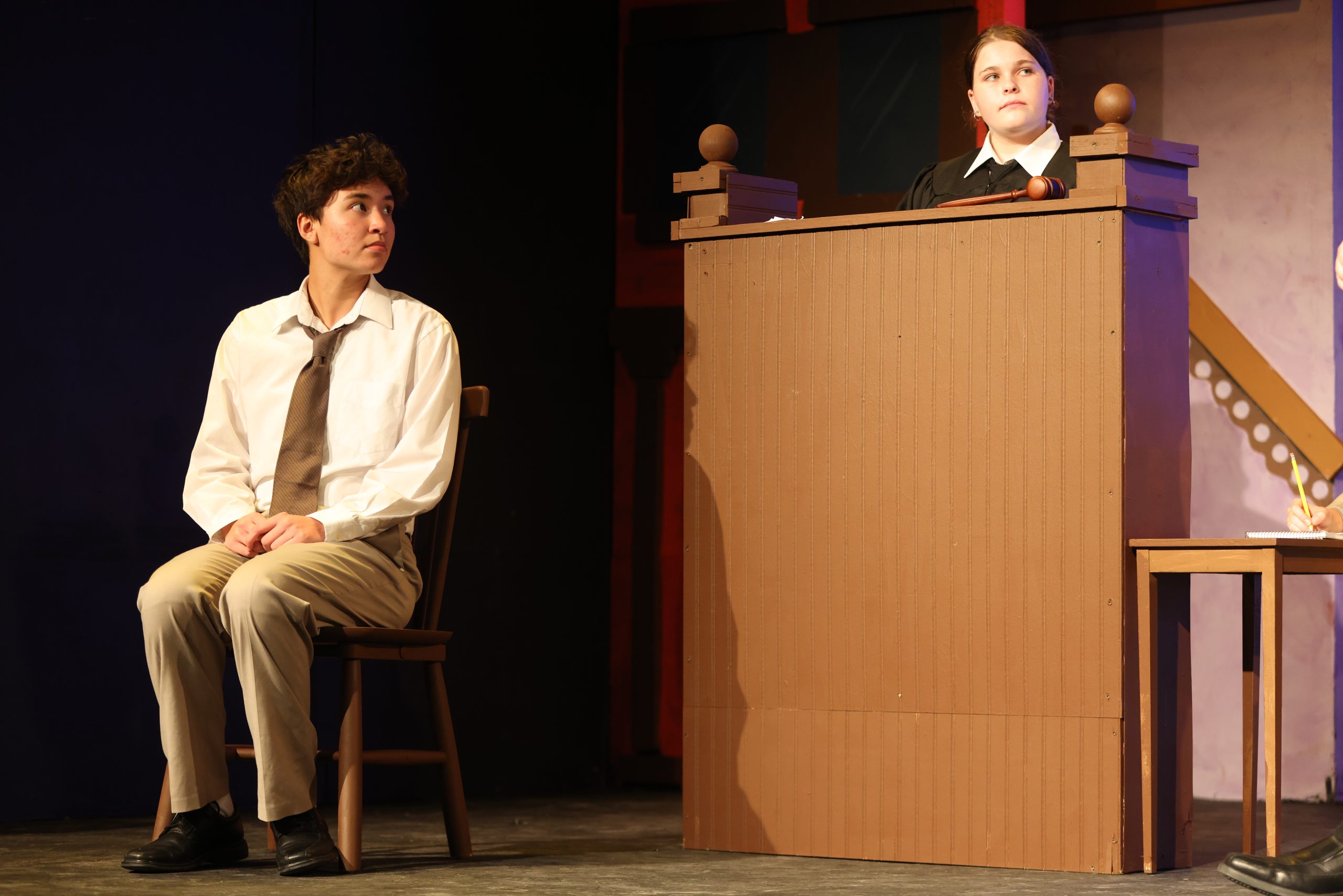
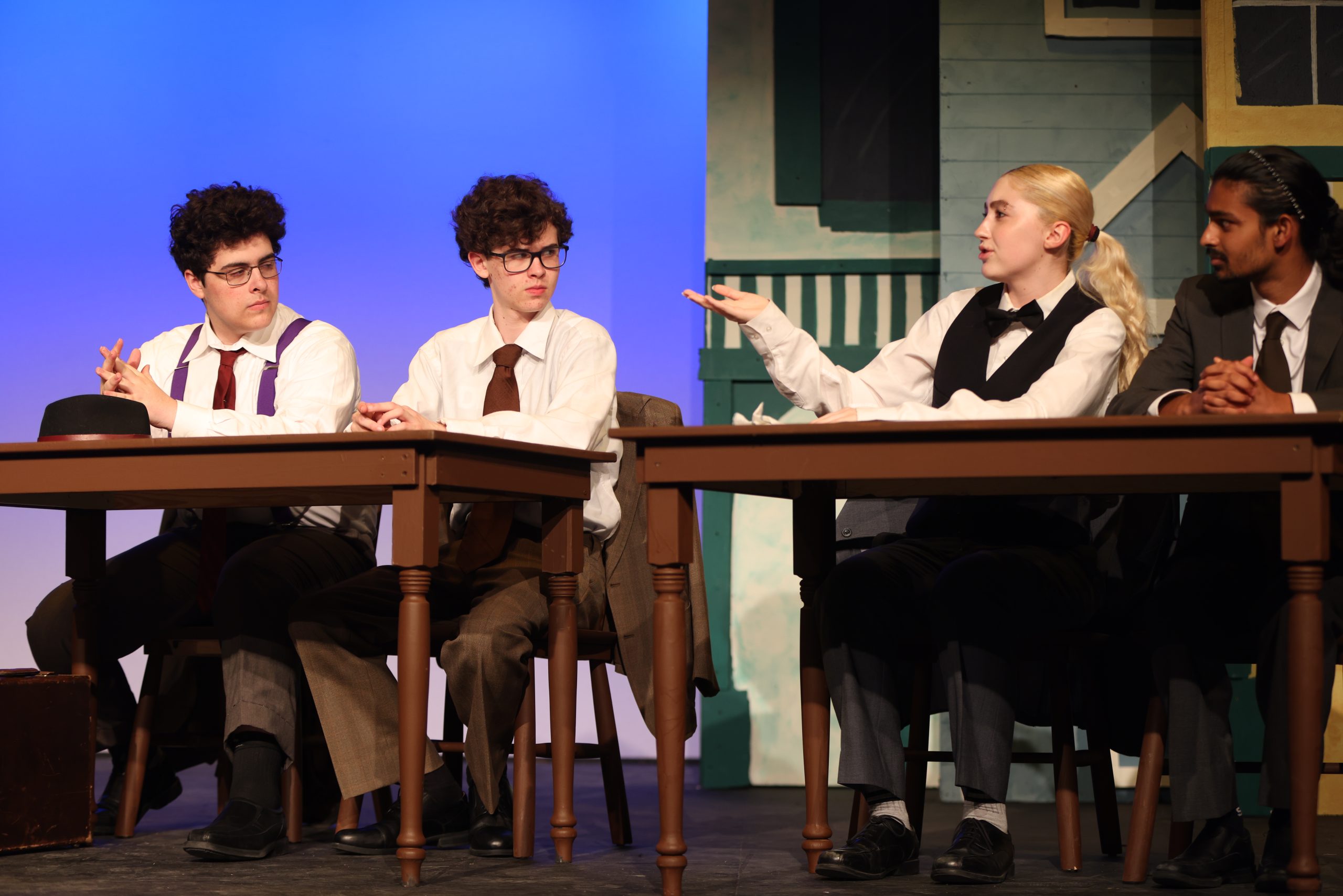
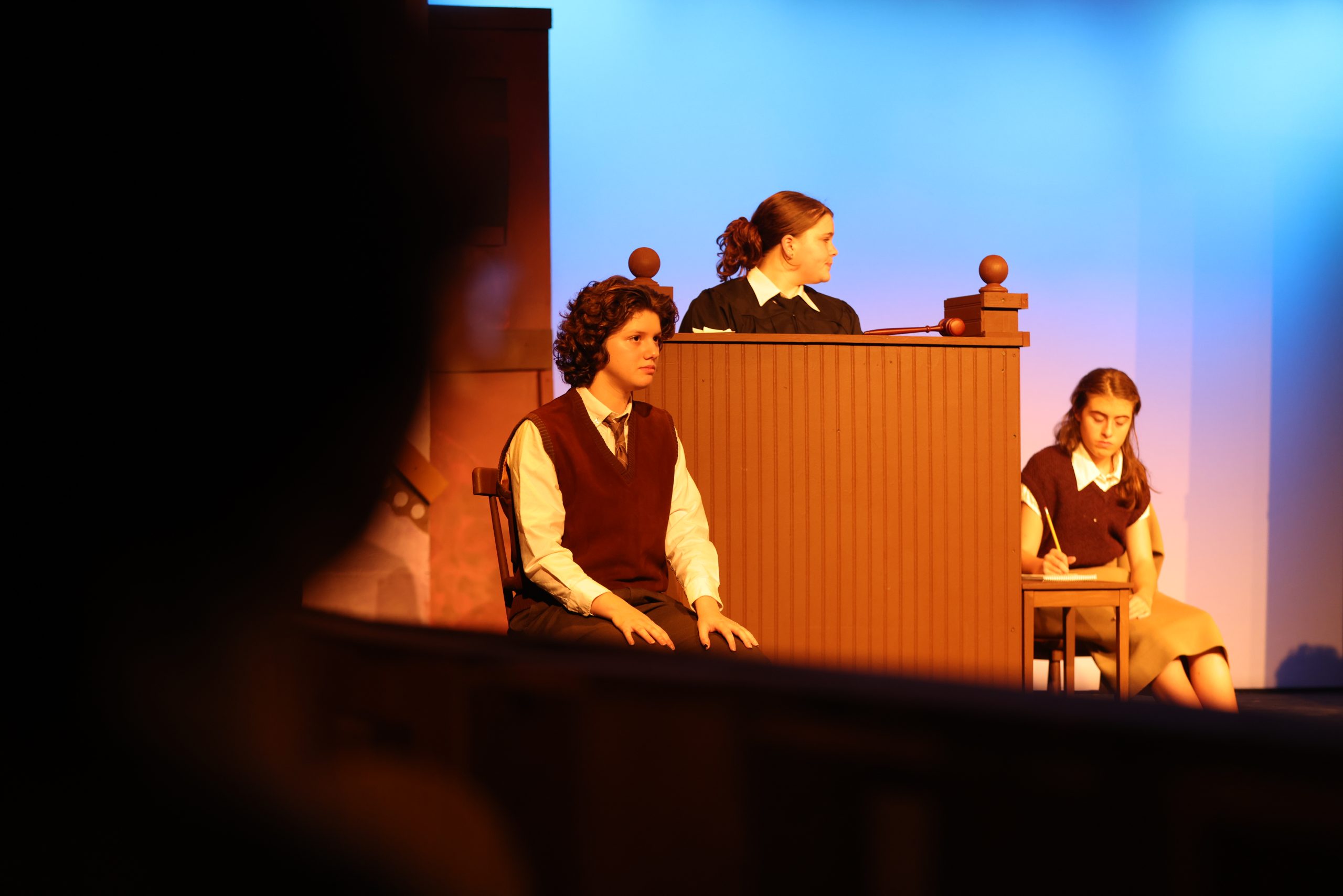
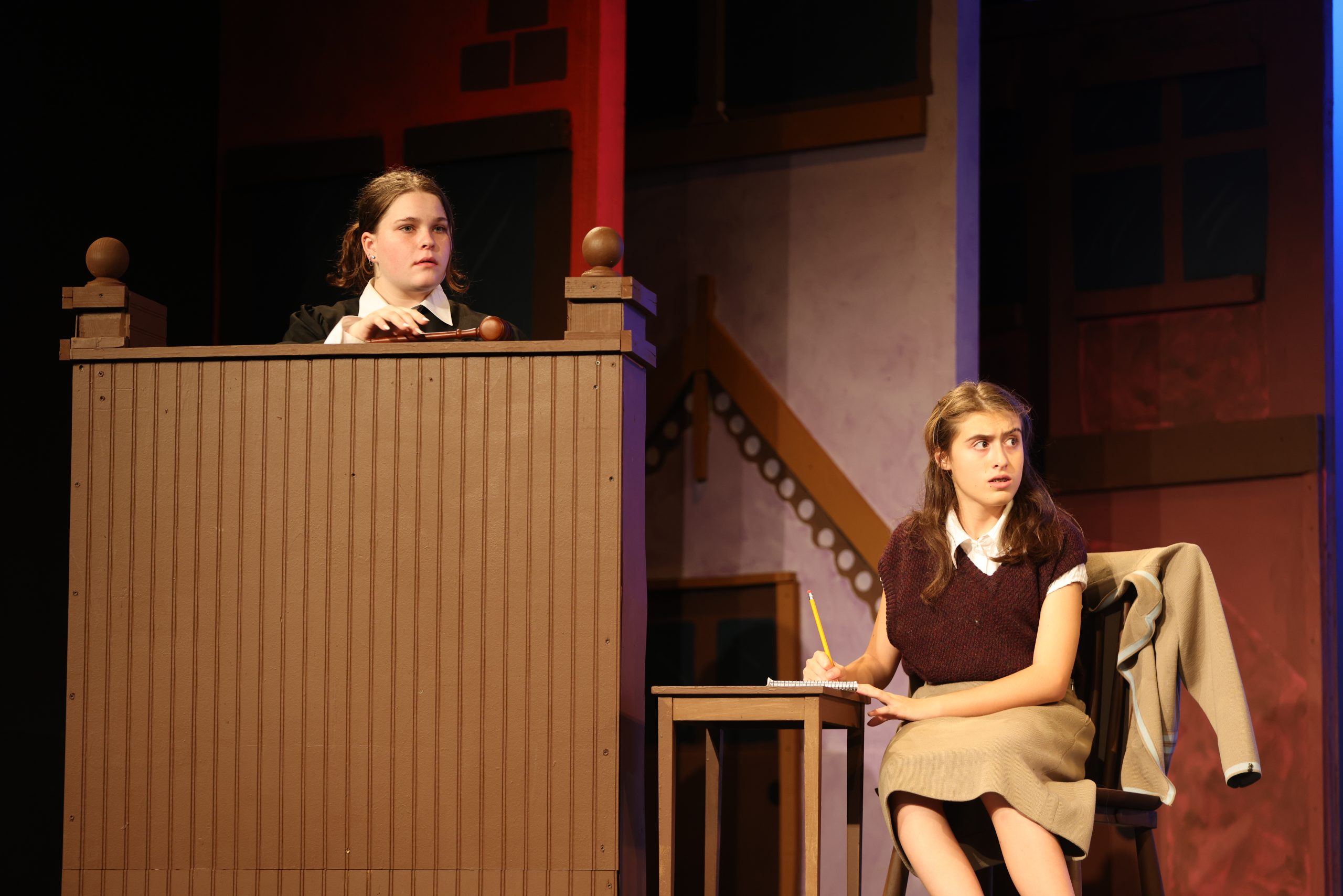
“The costumes and sets were another way to immerse the audience in the story being told. Costumes were accurate to the characters and time period, while the set evoked a sense of really being in the courtroom while still being beautiful and colorful. I think it’s just a nice contrast because the costumes are pretty in period, but the actual set isn’t really the color of an actual courthouse. So I think it’s still kind of that realism but also an air of mystery and fantasy.”
Celia Farrell, senior and stagecraft student

You can read the full article from Blueprint here.